La Floridita 2024 by Suertes del Marqués: the best Canary red under €20?
A Listán Negro from Tenerife's Valle de La Orotava: light, fresh, and with a finesse you'd normally pay twice as much for. My bet: the best Canary red under €20?
I’ll stick my neck out. Could this be the best Canary red under twenty euros?
The first time I tasted it I started jotting things down for a post. Three lines in, I stopped. It wasn’t something that fitted in a post: it needed telling on video. And there it sat for a good while, the idea going round and round in my head, until I finally had another bottle in front of me and could film it.
La Floridita 2024, from Suertes del Marqués, a Listán Negro from the Valle de La Orotava in Tenerife. Seventeen euros fifty.
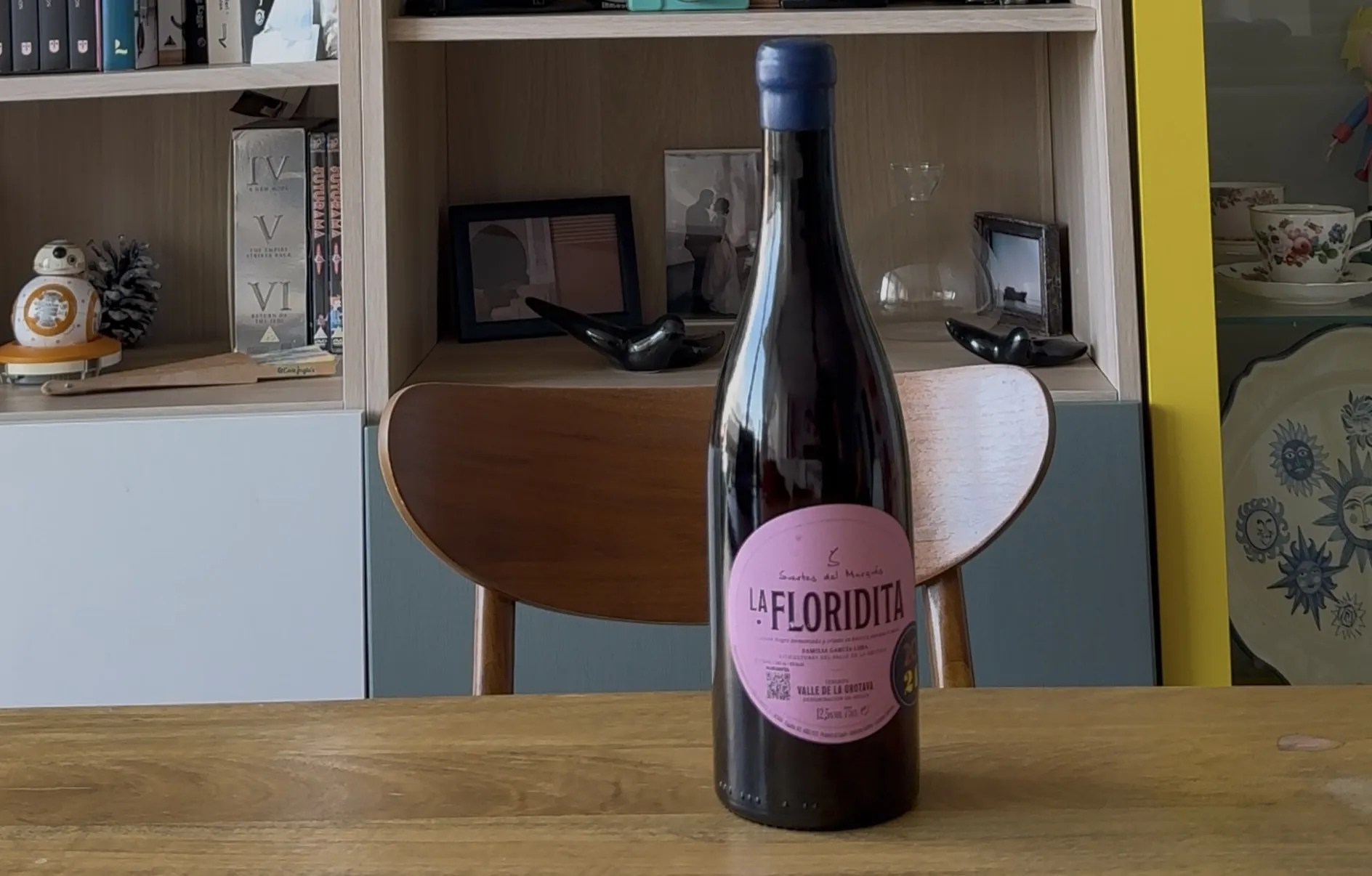
Old-vine Listán Negro, somewhere between red and rosé
Suertes del Marqués is Jonatan García Lima’s winery. He spent twenty years tending vines in the valley before bottling his first wine in 2006, and since then few people have done as much to put Tenerife wine on the map. Their La Solana is the red most people discover the valley through (more on that in the Tenerife guide, valley by valley), and La Floridita is its little sibling, the lightest thing they make.
It comes from two sites, La Mocana and Las Suertes, between 350 and 420 metres and facing north. Vines 80 to 100 years old, trained in cordón trenzado, the braided cordon where the canes are plaited into ropes several metres long, something you’ll only find in this valley (if you’re curious, it’s all in the Listán Negro guide). Picked in mid-August.
Then there’s the trick, which the winery dispatches in a single line: it’s a bleed-off of Listán Negro. The juice starts fermenting on its skins in concrete tanks and, a few days in, it’s run off before it can take all the colour and all the tannin. It finishes fermenting in used 500-litre barrels and stays there for nine months. No new oak, no heavy-handed extraction. That’s why it sits in the glass halfway between a red and a rosé, so much so that some shops sell it as one and some as the other. The wine, meanwhile, couldn’t care less.
Tasting notes: the finesse you’d normally pay double for
What threw me wasn’t any particular note. It was the finesse. It’s a light, fresh red with an elegance you just don’t expect at this price. The kind you’d normally have to pay double, or triple, to find.
Now for the confession: actual notes, I didn’t take (I told you I stalled at line three). So I’m leaning on people who did, and they square with what I remember. Fresh red fruit, raspberry and wild plum, and a touch of pink grapefruit. On opening, a hint of volcanic reduction that blows off as soon as it gets some air. Then rosemary, scrubland, a mineral backbone that’s very much the valley. On the palate, high but friendly acidity, barely a whisper of tannin and a salty finish that sends you straight back to the glass. That missing tannin is the bleed-off talking: the wine left its skins before they could hand it over.
And another admission: serve it to me blind and it might well throw me, and I’d send it off to the south of France. Don’t ask me which wine or which corner of it, my palate isn’t that good. It’s a hunch, not a sommelier’s call. I may be miles off, but it was my first thought, and it hasn’t left me since.
What to drink La Floridita with?
Chilled, and with Canary food: rabbit in salmorejo, tuna with slow-cooked onions, or a board of charcuterie. Serve it at around 12-13°C, like any light red, after a spell in the fridge. That acidity cuts through the marinade and the oily tuna, and with so little tannin it won’t turn the fish bitter.
The shop notes talk about red meat and roasts. I don’t buy it. A big T-bone would flatten it: this wine wants something that lets it get a word in.
The best Canary red under €20?
No idea. I haven’t tried them all, not by a long shot, and the Canaries are full of good reds at good prices (if you’re just starting out, the map is in Canary Islands wine: where to start). But of the ones I have tried in that bracket, none has stopped me in my tracks like this one.
The best? No idea. The one I’ve liked most? Hands down.
The Canary red under €20 I've liked most, bar none.
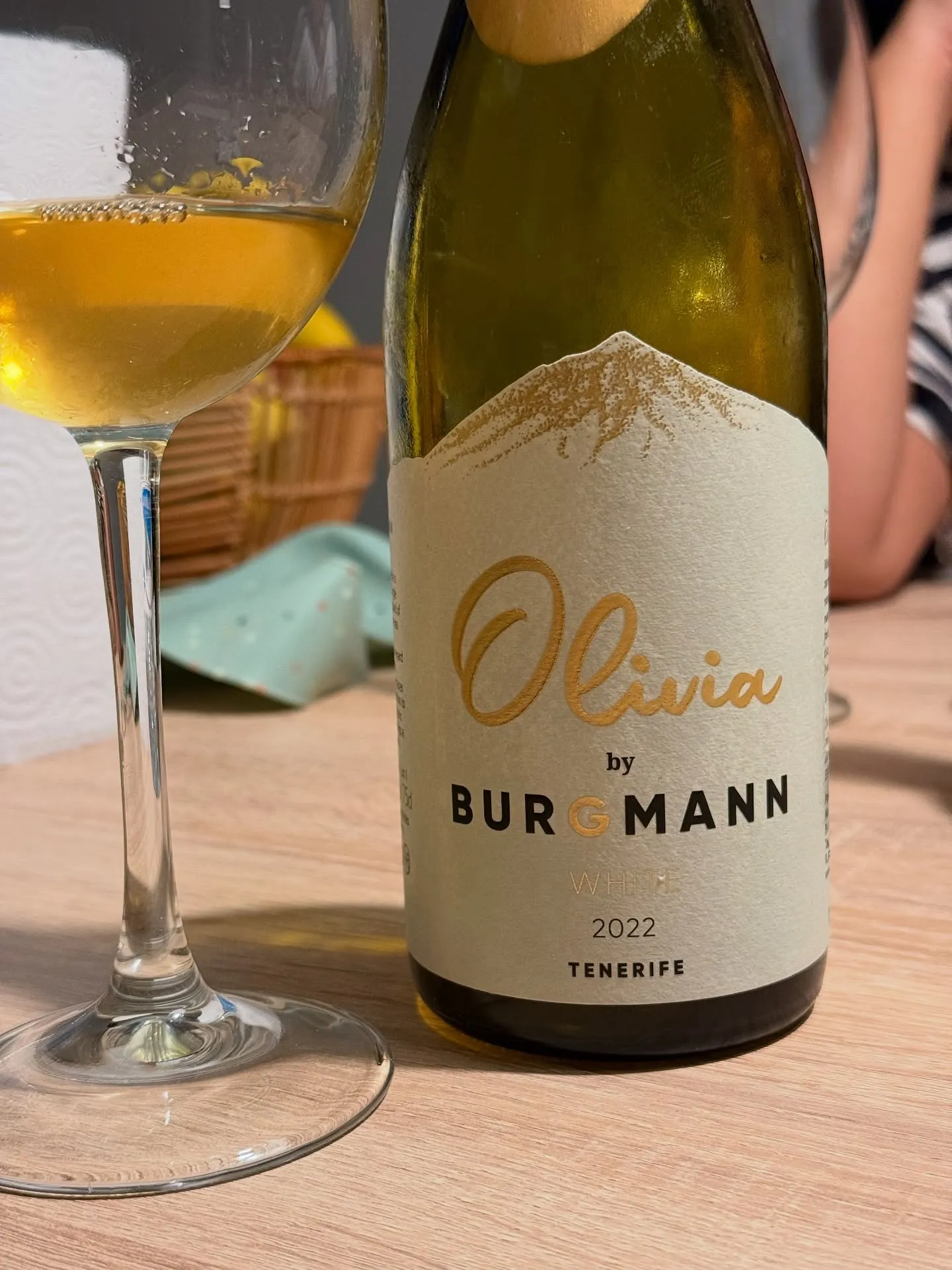
Burgmann Olivia 2022the Tacoronte Listán Blanco that just won't leave
- Winery
- Winery Burgmann
- Grape(s)
- Listán Blanco
- Area
- Tacoronte (400 m)
- Vintage
- 2022
Verdict: If you spot one, don't think twice.
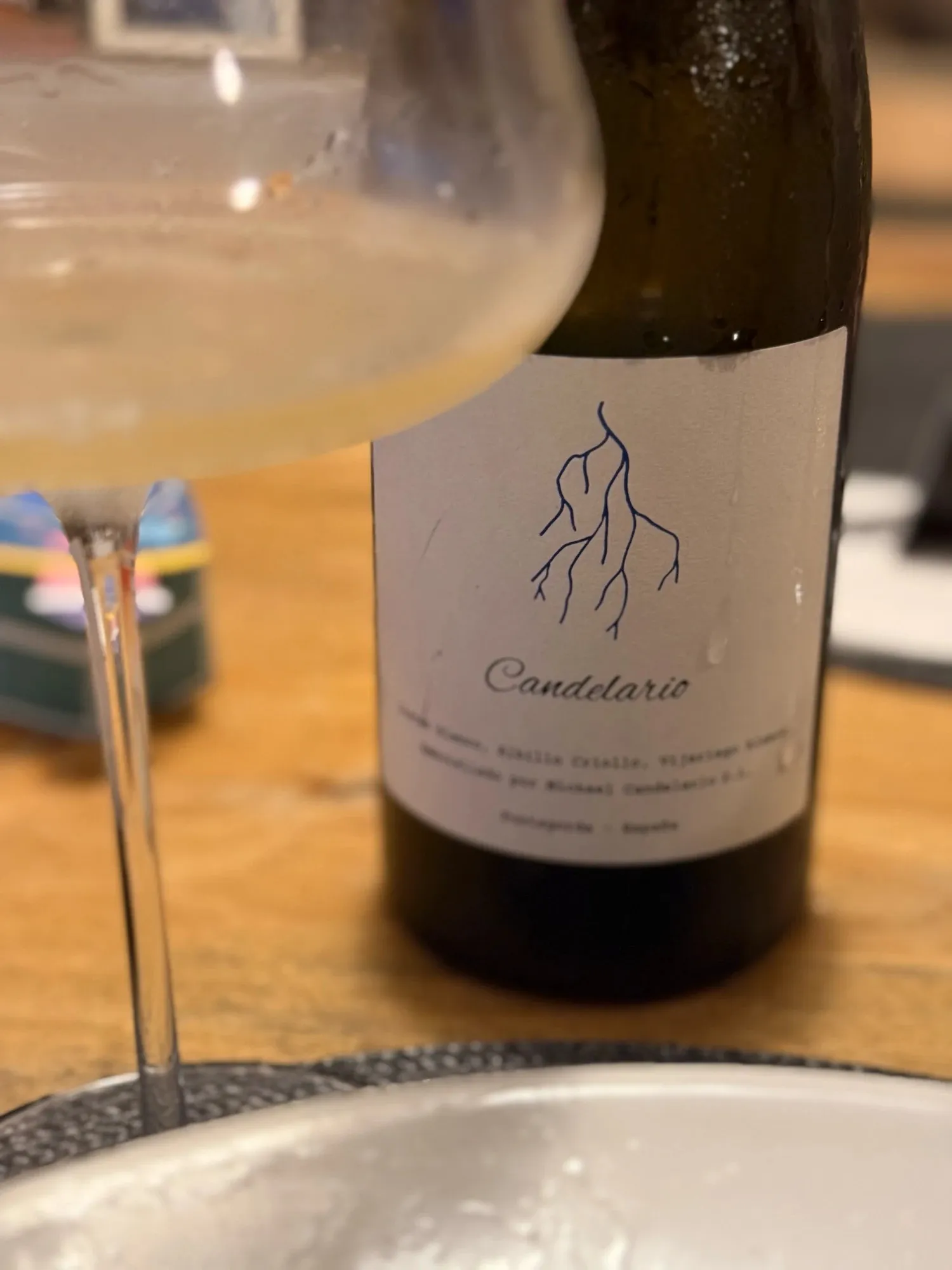
Michael Candelario Blanco 2025the cult white from La Palma that everyone is hunting for
- Winery
- Michael Candelario
- Grape(s)
- Listán Blanco · Albillo Criollo · Vijariego Blanco
- Area
- Puntagorda
- Vintage
- 2025
Verdict: It's gone before you've worked it out, and that's cheating.
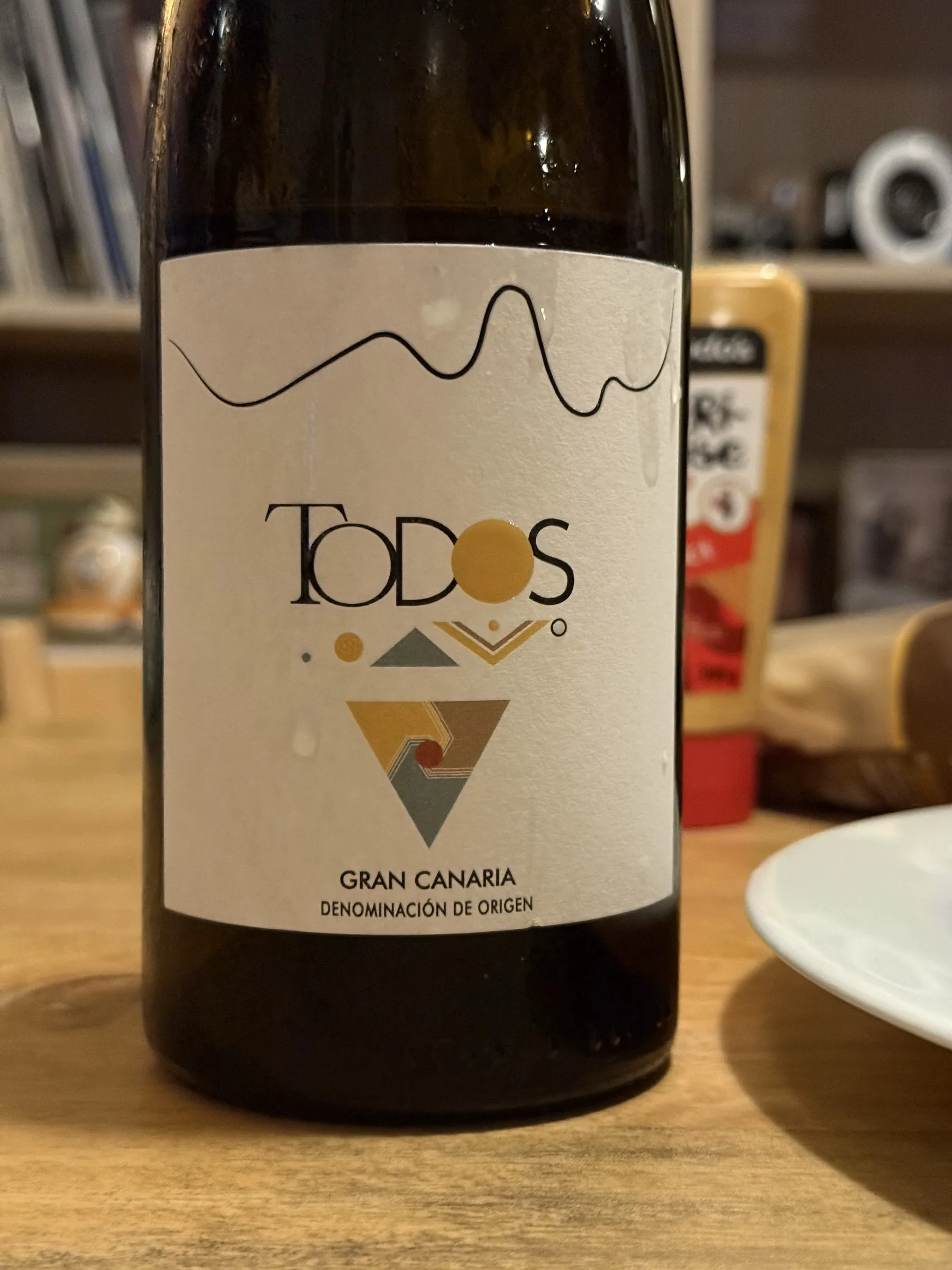
Todos Blanco 2024the Gran Canaria white you'll struggle to find
- Winery
- Todos
- Grape(s)
- Listán Blanco · Malvasía Aromática · Vijariego Blanco · Muscat of Alexandria
- Vintage
- 2024
Verdict: If one of the 306 crosses your path, don't think about it.
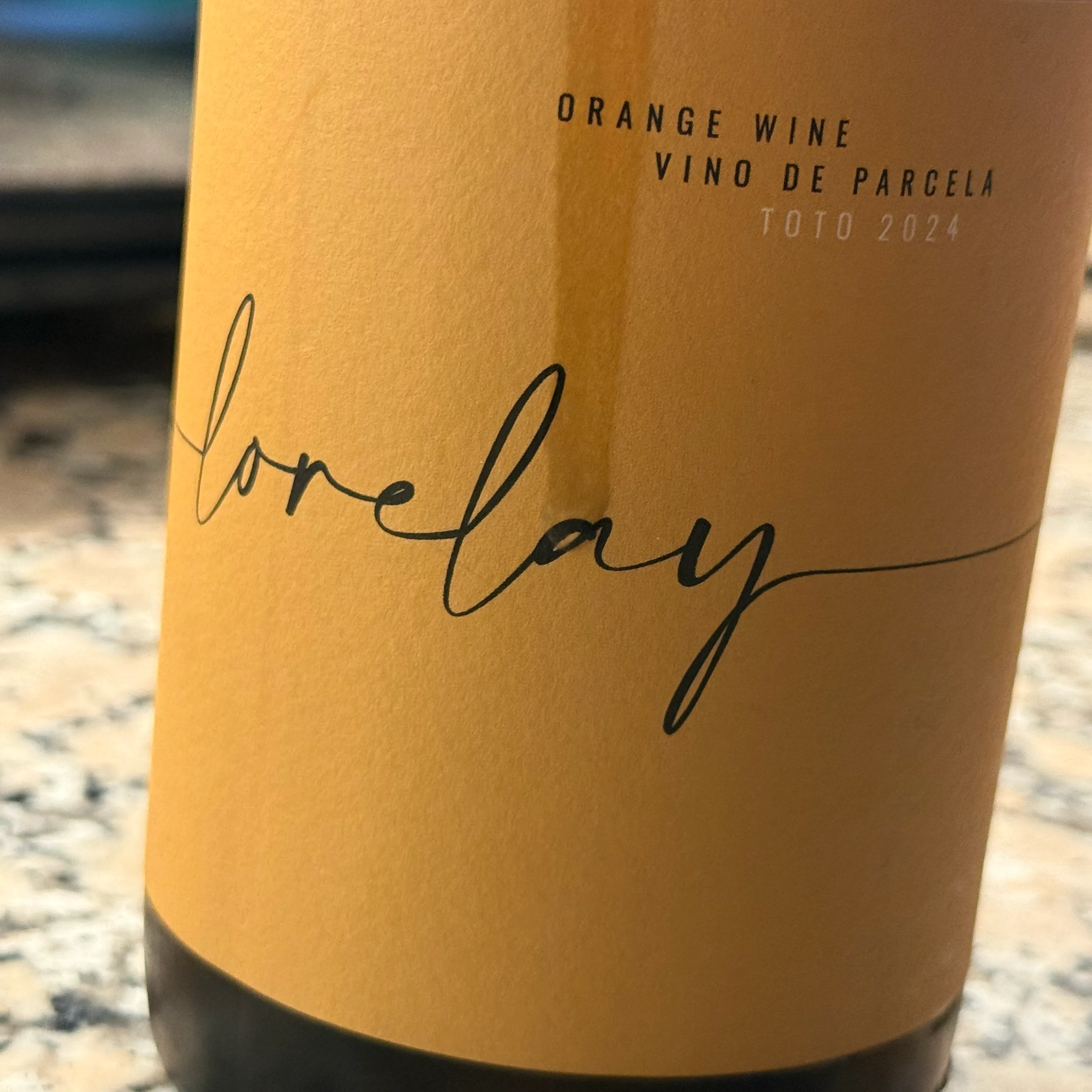
Lorelay Toto 2024a debut orange wine from Listán Blanco at 1,400 metres
- Winery
- Lorelay
- Grape(s)
- Listán Blanco
- Area
- Los Pelados (1,400 m)
- Vintage
- 2024
Verdict: If you find it, grab two.