Listán Negro
The Canary red: light, spiced and made to drink chilled.
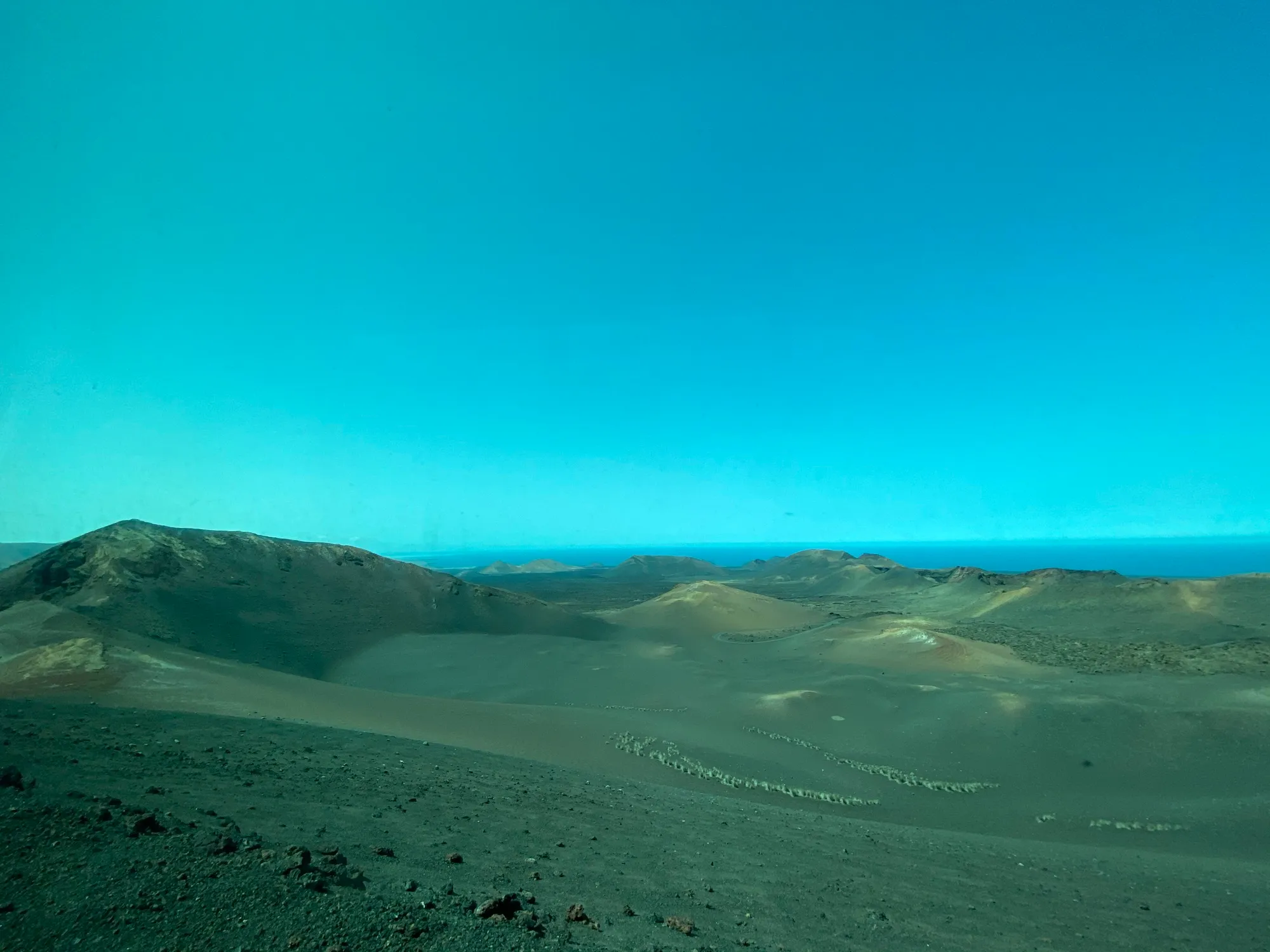
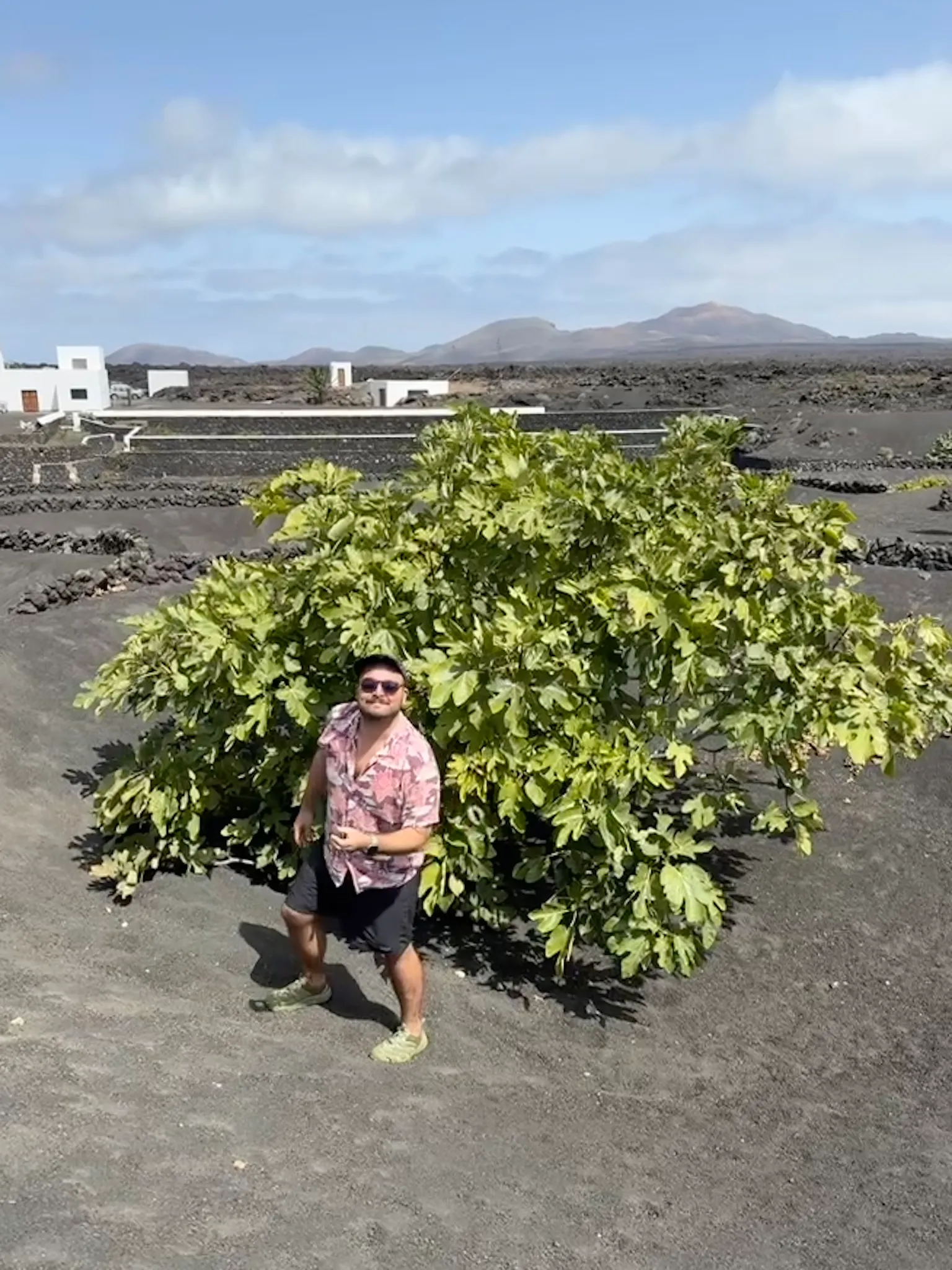
Listán Negro is the island red par excellence, the grape half the Canaries plant when they aren’t planting white. On Lanzarote it grows in the same black earth as the Malvasía, and it gives a red that has nothing to do with what you’d expect from one: light-bodied, spiced, with fresh red fruit and that smoky note the volcanic soil lends it.
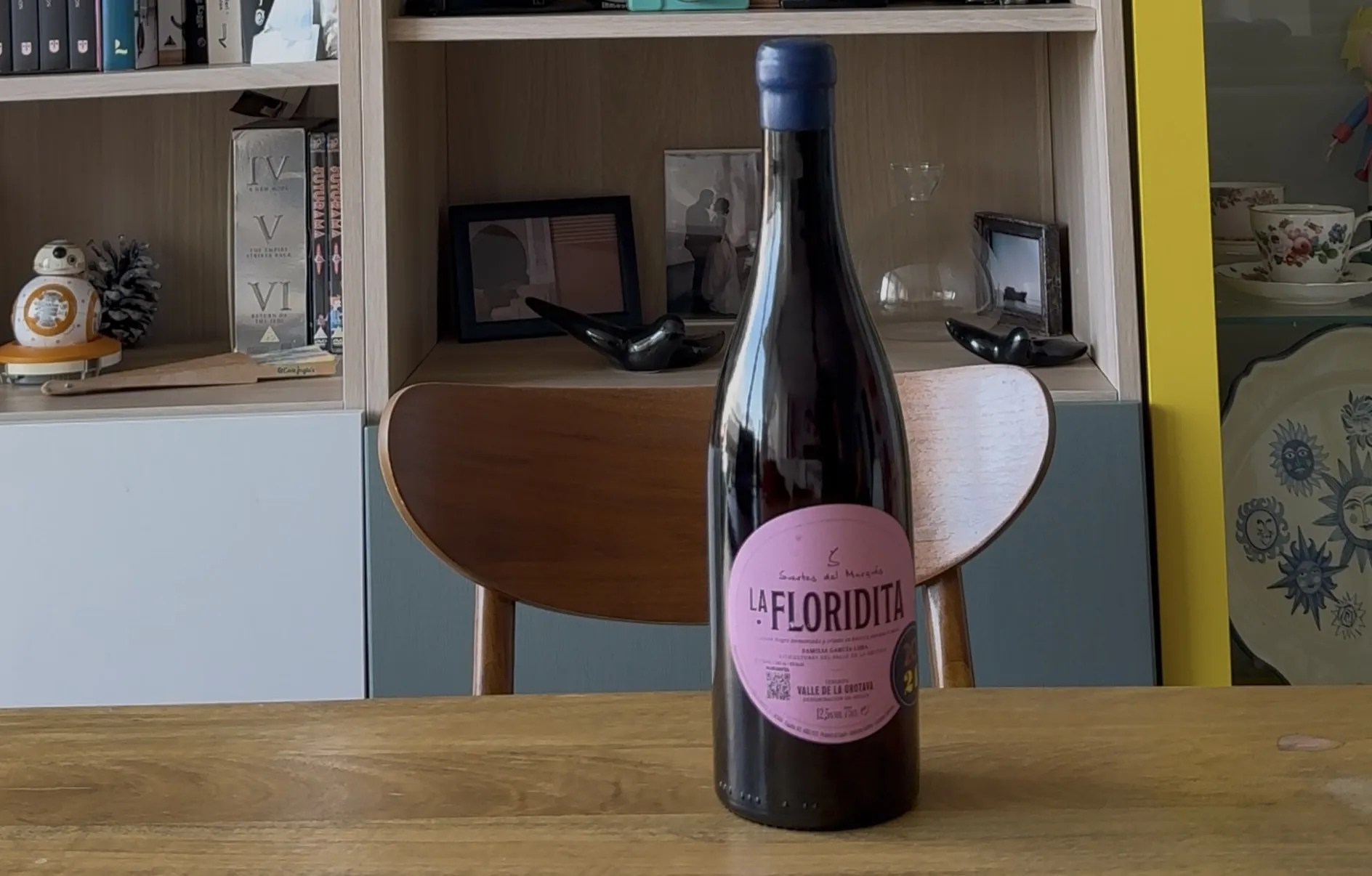
It’s not a red for cellaring or for the armchair, it’s a table red made for the fridge: give it half an hour in the chiller, drink it cool and you get why the islands take their reds this way. Ungrafted, old vines, no phylloxera. If you come from the Rioja–Ribera world, this one throws you; go with it.
Bottles
Guides
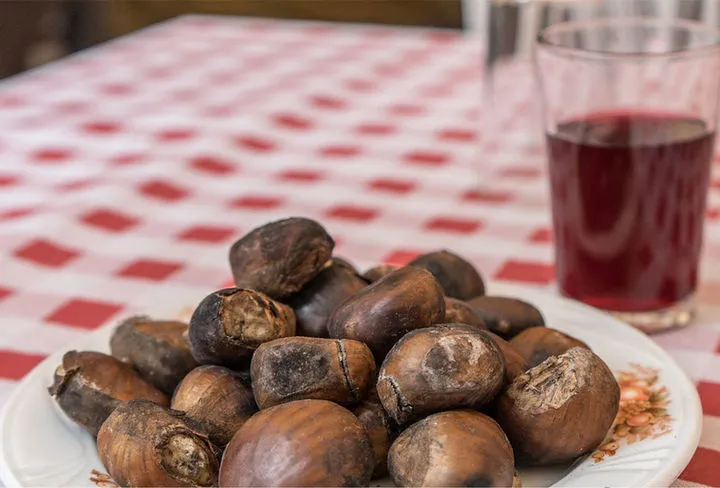
San Andrés in Tenerifenew wine, chestnuts and rattling cans
On the night of 29 November, northern Tenerife opens its cellars, tastes the new wine and drags cans through the streets. What San Andrés is and how to join in.
Pre-phylloxera wines of the Canary Islands: what they are and why they matter more now
Ungrafted vines that phylloxera left alone for 150 years, until it reached Tenerife in 2025. What pre-phylloxera Canary wine is, and why it matters.
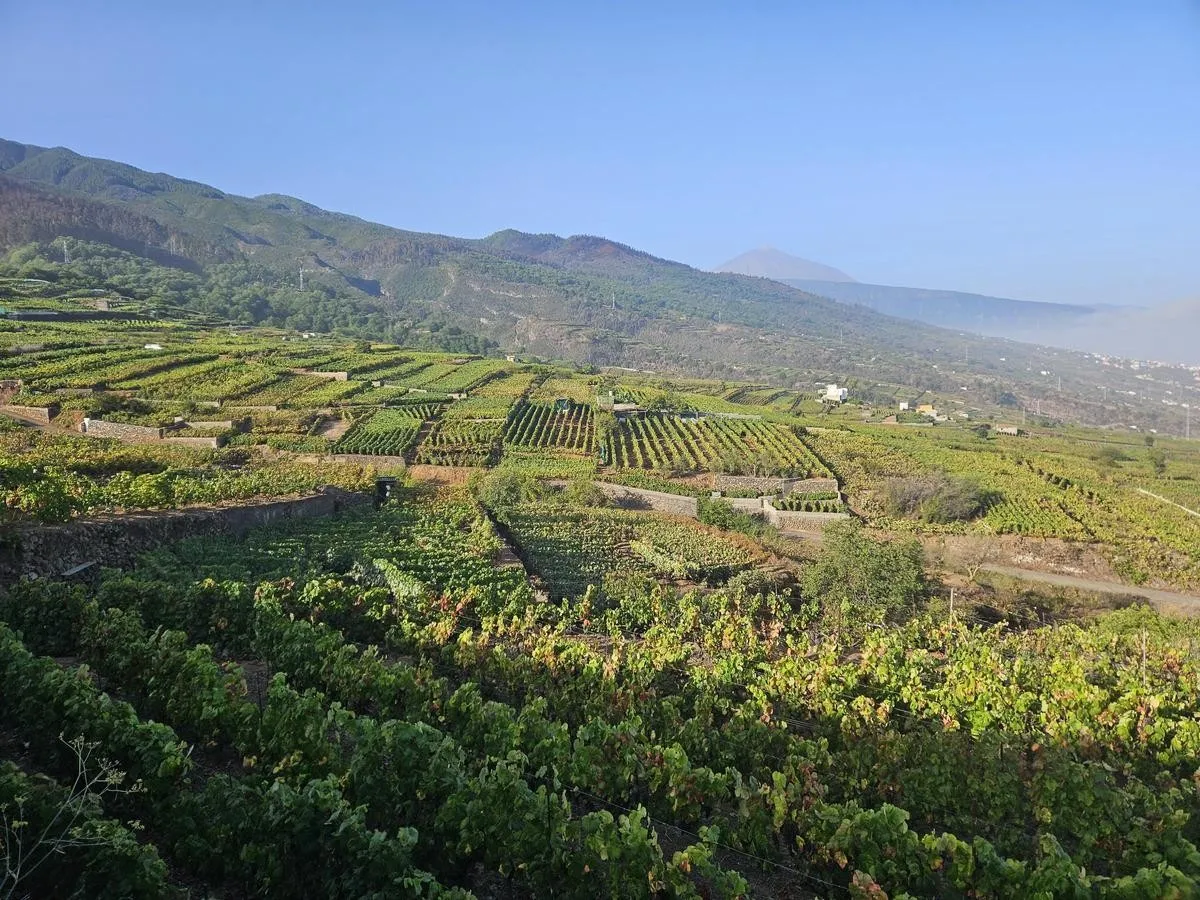
Tenerife wine: a guide by valley and altitude
Five appellations, a 3,718-metre volcano and vines from sea level to 1,700 metres. A valley-by-valley guide to Tenerife wine and the producers worth knowing.
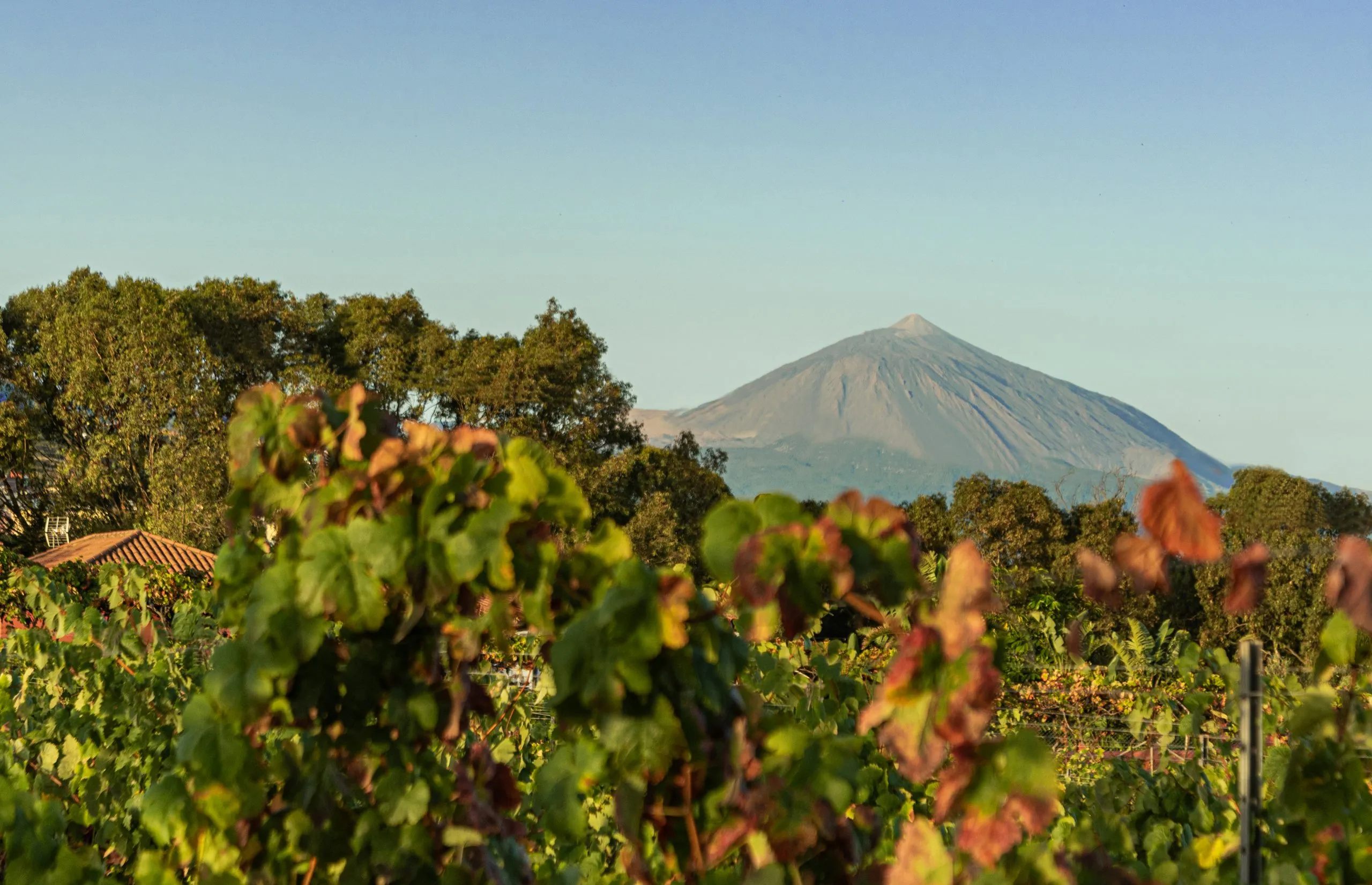
Canary Islands wine: where to start without getting lost
Volcanic soil, grapes that exist nowhere else and a ladder that starts in a guachinche. How to get into Canary Islands wine without drowning in eleven appellations.
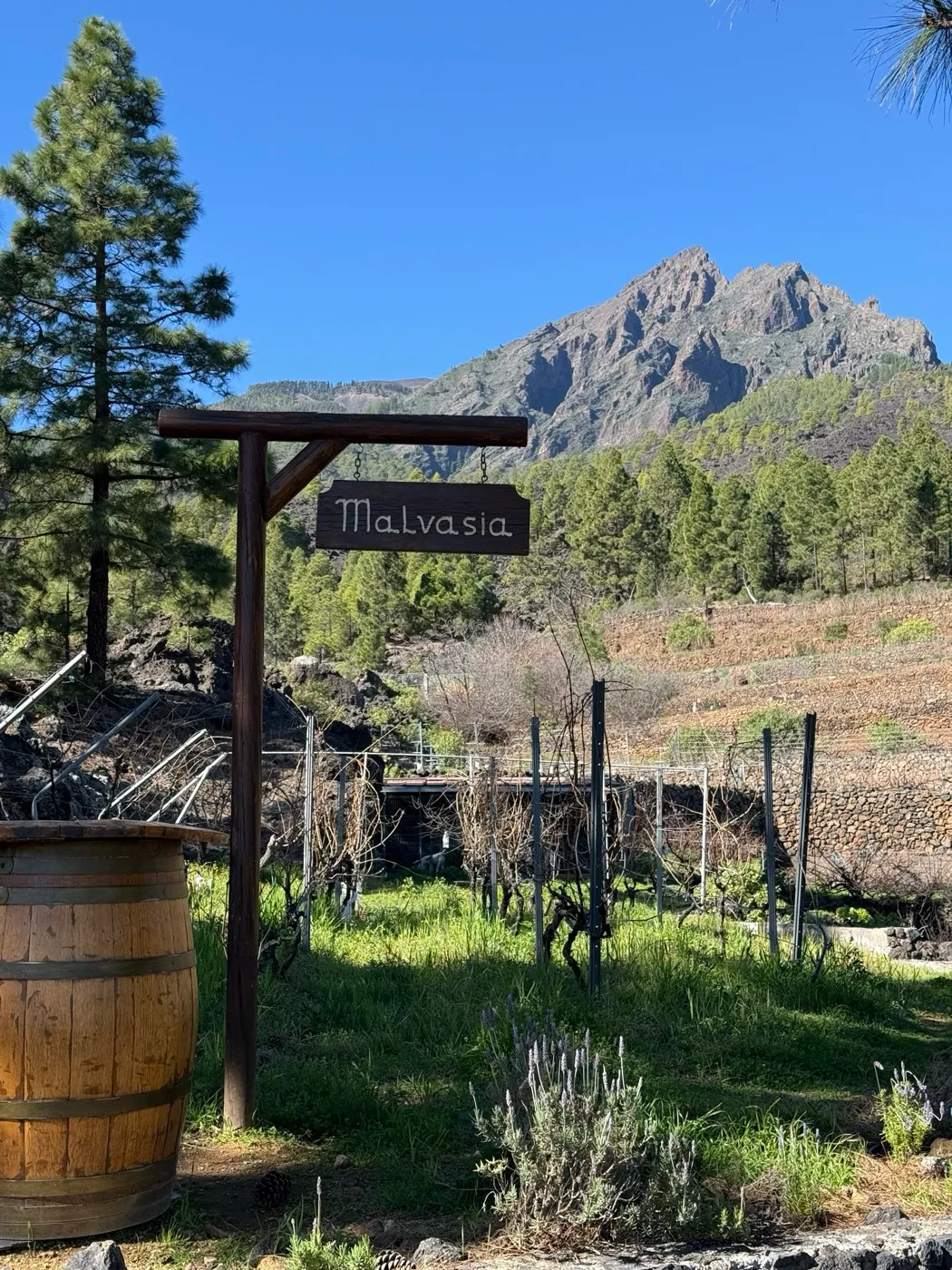
Listán Negro: the Canary red that changes its face
The most planted red in the Canaries isn't one thing: it runs from light, fresh carbonic to serious oak-aged. What Listán Negro is and how to drink it.
Volcanic Malvasía: what it is and how it tastes
A Canary-born cross of Malvasía Aromática and Marmajuelo, found nowhere else on earth. What Volcanic Malvasía is, how it tastes, and how it went from Shakespeare's wine to dry.