Pre-phylloxera wines of the Canary Islands: what they are and why they matter more now
Ungrafted vines that phylloxera left alone for 150 years, until it reached Tenerife in 2025. What pre-phylloxera Canary wine is, and why it matters.
14 October 2026
I found out on Instagram, the way you find out about most things these days. A post linking to a story in El Día: phylloxera had been detected in Tenerife. The first time ever in the Canary Islands. I read the whole thing, obviously, and then read it again in case I’d got it wrong.
I hadn’t got it wrong. What hit me was an odd mix: a bit of sadness, a bit of anger, a bit of fear, and on top of all that uncertainty, because nobody knew yet how far it would spread. The first thing that came to mind wasn’t the bug. It was the wineries here. What it would mean to lose Tenerife wine as we know it, or a halt in production so long that the small wineries couldn’t ride it out and simply disappeared. Because I really love the wine from these islands. And I’ll say it plainly: I think it’s among the best wine in the world.
I’d love to tell you I opened a bottle that night to say goodbye to something. I didn’t. (Maybe with the next one I thought “let’s savour this”, but I’m not claiming any medals.)
This guide is about what was at stake that day: what a pre-phylloxera wine actually is, why the Canaries are one of the few places on earth that still have them by the hundred, and what happened in the summer of 2025.
The plague that took Europe’s vineyards
Phylloxera is a tiny insect, a relative of the aphid, that lives on vine roots. It comes from North America, where wild vines had lived alongside it for ages and learned to put up with it. The European vine (Vitis vinifera, the one behind nearly all the world’s wine) had no defence at all. The bug feeds on the roots, the roots rot, and the vine dies.
The entomologist Asa Fitch described it in the United States in 1854. In 1863 the first sick vines turned up in France, in the Gard, where it had arrived as a stowaway on American plants, and in 1868 the botanist Jules-Émile Planchon identified the culprit. By then it was too late: it spread through almost every wine region in Europe. It reached Spain in 1878 on three fronts, Málaga, Girona and the Portuguese border along the Douro. In Málaga, where wine made up around 60% of the province’s exports, the vineyards never really came back.
The fix took decades of arguing and amounted to admitting defeat: graft the European vine onto resistant American roots. Up top, the grape is the same; down in the soil, it’s a different plant. That’s what nearly every vineyard in Europe has looked like ever since.
What is a pre-phylloxera wine?
A pre-phylloxera wine comes from ungrafted vines growing on their own roots, European vines still farmed the way they were before phylloxera. One plant from grape to root, the way Europe’s vineyards were before 1863.
Now the nuance, which matters and almost nobody mentions. In the Canaries most vineyards are ungrafted, because until 2025 there was no need to graft. But ungrafted doesn’t mean a hundred years old. A vineyard planted fifteen years ago without grafting is on its own roots too. What changes is age, and age changes everything: older vines give less fruit, the roots go deeper, and the wine tends to come out with a different kind of concentration.
One example we’ve already drunk: in Michael Candelario’s vineyard in Puntagorda, on La Palma, six-year-old vines he planted himself grow alongside others over a century old, some of them his great-grandfather’s. Same plot, same wine, ages that couldn’t be further apart.
So when you see “pre-phylloxera” or “ungrafted” on a Canary label, nobody’s lying to you, but nobody’s telling you the age of the vines either. For that, you’ll have to ask.
Why the Canaries escaped for 150 years
Honest answer: nobody’s entirely sure, and be wary of anyone who wraps it up in one sentence. Three reasons keep coming up, and it was most likely a mix.
- Isolation. Islands in the middle of the Atlantic, with little traffic in plants and farm goods, and so few ways in for a bug that travels in roots and cuttings. Mind you, that alone doesn’t explain it: Madeira, just up the road, wasn’t spared.
- A trade already in decline. Canary wine had been sliding for a while, and by the mid-1800s exports had all but dried up. Less contact with infected vineyards exactly when the danger was greatest.
- The soil. Phylloxera doesn’t like volcanic, sandy soils; it gets around far better in clay. That’s the explanation from researcher María Francesca Fort, of the Universitat Rovira i Virgili, who puts Chile and Crete in the same bracket.
Whatever the reason, the result was the same: while Europe was ripping out and replanting, the vines here just carried on.
What the ungrafted vines kept safe
A century and a half without having to pull anything up leaves behind things you won’t see outside the Canaries.
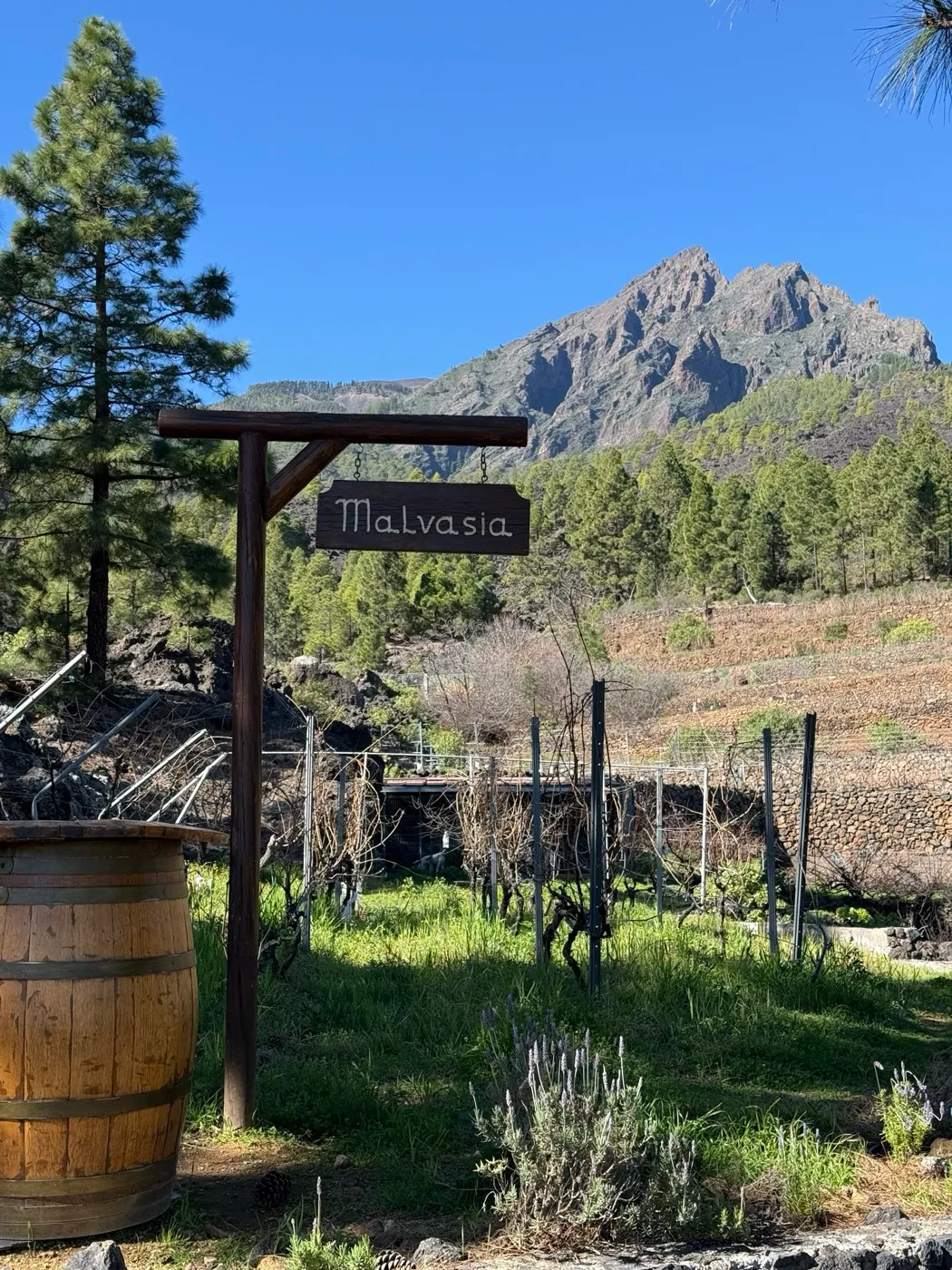
Grapes, for a start. Listán prieto, long gone from Castile where it came from, is still here. And DNA work showed it’s the same grape as Chile’s País, Argentina’s Criolla Chica and California’s Mission: one of the vines American winemaking was built on. Around it, a collection of grapes that only exist here or were saved here: Malvasía Volcánica, vijariego blanco, albillo criollo and listán negro, which is a red with more faces than it lets on.
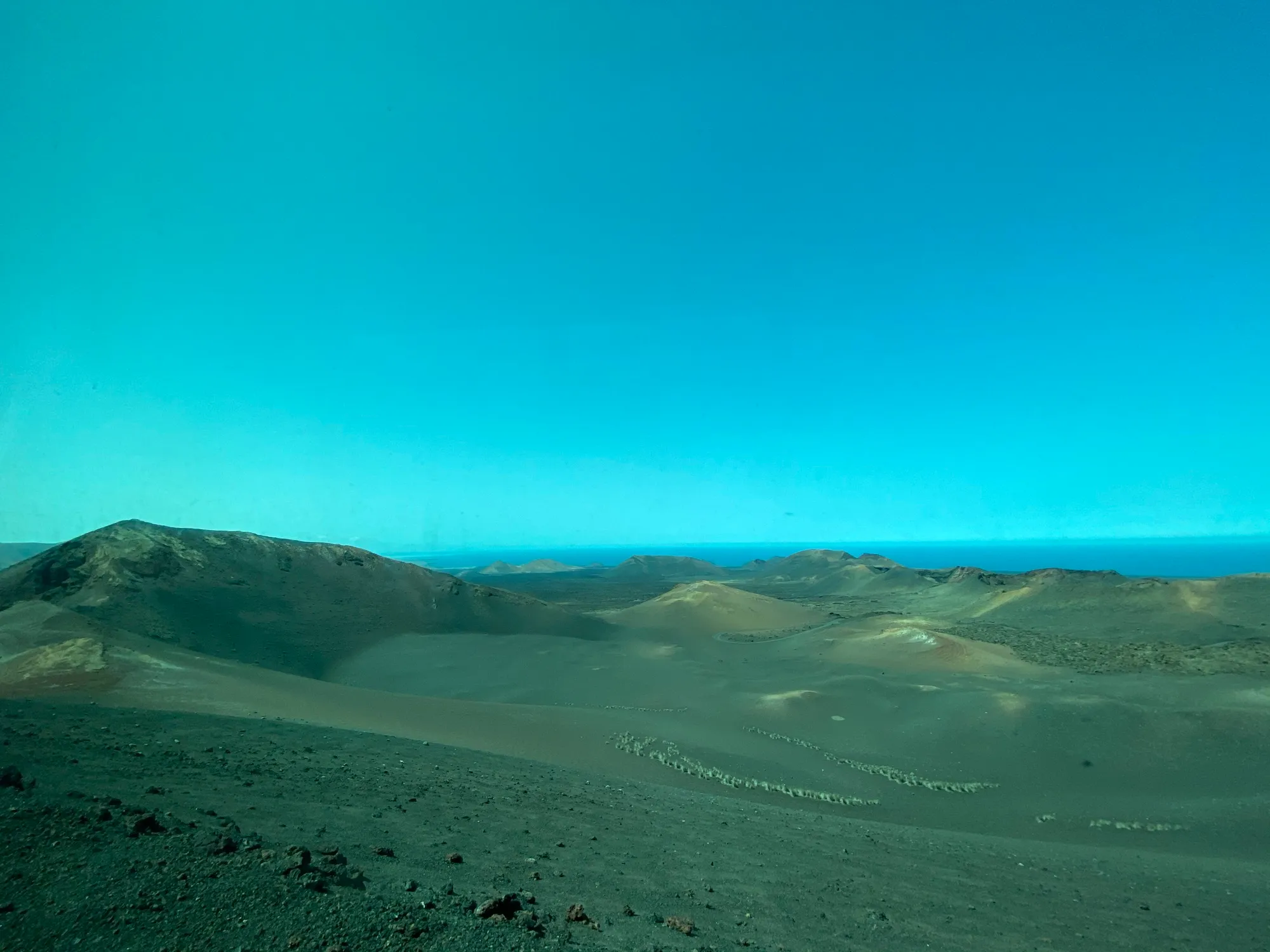
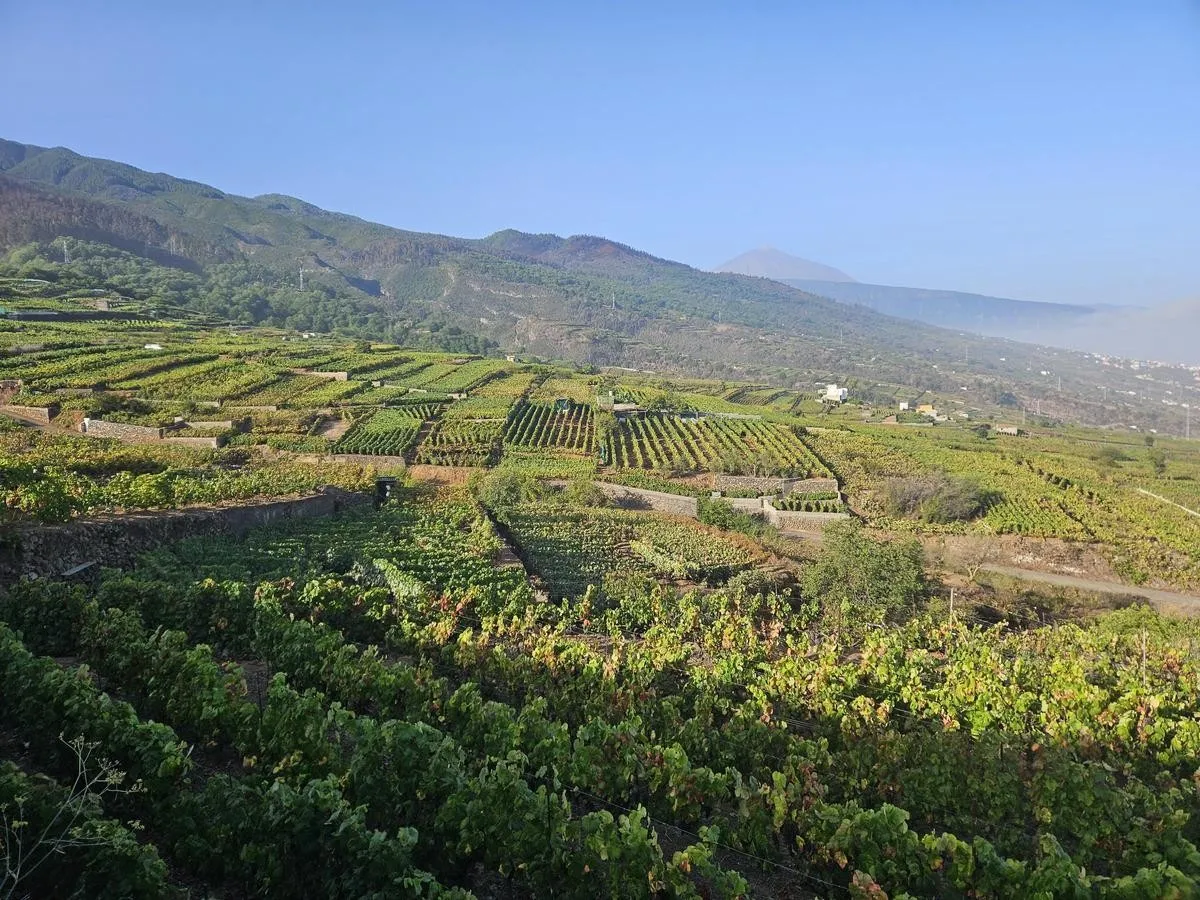
And landscapes. In the Orotava Valley, the cordón trenzado: vines stretched into braided cords many metres long, propped up off the ground on forked sticks. On Lanzarote, a single vine at the bottom of each ash-filled pit in La Geria. Landscapes like these take time, built by vines that have stood in the same spot for generations because nobody ever had to dig them up.
Summer 2025: phylloxera reaches Tenerife
On 30 July 2025, phylloxera was detected in the Canary Islands for the first time, on a pergola vine in Valle de Guerra, in La Laguna. Until that day the archipelago was the last place in Spain, and in Europe, free of the pest. How it got there is still unknown; the Canary government points to the likeliest route, infected plant material brought in from outside.
From there it turned up in Tacoronte, in La Matanza de Acentejo, in the vineyard of the agricultural training school in Tacoronte and, in October, on the coast of the Orotava Valley, at El Rincón. Almost every outbreak has been in abandoned plots, not winery vineyards. In other words: the biggest threat Canary wine has faced in 150 years came out of the vineyards nobody was looking after.
The numbers, as of June 2026 (they change with every update): 89 positives in 2025 and four more between April and May 2026, in the Tacoronte-Acentejo hotspot, out of more than 9,600 inspections. In December 2025 came the news everyone dreaded, that the insect had reached the soil: three positives out of sixty samples. For now it’s only in Tenerife. The other islands have been checked and it hasn’t shown up.
The measures: uprooting and destroying affected plants, roots and all, monitoring around each outbreak, and a ban on moving fresh grapes and vine material between islands and between Tenerife’s wine districts. The Canary government considers the situation under control. At the same time, though, resistant rootstocks are being trialled on plots in the denominations of six islands, just in case.
And that “just in case” is exactly the fear I started with. There’s no cure for phylloxera, and what saved Europe was grafting. If the pest takes hold, pre-phylloxera wine would stop being the norm in the Canaries and become what it is everywhere else on the continent: a rarity from a handful of vineyards. (Here’s hoping this section ages terribly.)
Where to start drinking them
You don’t have to look hard: most Canary wine comes from ungrafted vines. But if you want to get what this is about with a glass in hand, these are bottles we’ve already reviewed:
- Lorelay Toto 2024. Listán blanco from ungrafted pre-phylloxera vines in Güímar, at 1,400 metres, with three months on skins. 386 numbered bottles.
- Los Loros La Bota de Mateo 2024. Ungrafted listán blanco from the Güímar Valley, aged in an old manzanilla cask.
- Michael Candelario Blanco 2025. La Palma, six-year-old and centenarian vines in the same plot.
For the rest of the map: Malvasía Volcánica, La Geria, Tenerife valley by valley and, if you’re just getting started, where to start with Canary wine.
I didn’t open anything that night. You, though: next bottle you open, savour it. Just in case.
Canary Islands wine: where to start without getting lost
Volcanic soil, grapes that exist nowhere else and a ladder that starts in a guachinche. How to get into Canary Islands wine without drowning in eleven appellations.
Tenerife wine: a guide by valley and altitude
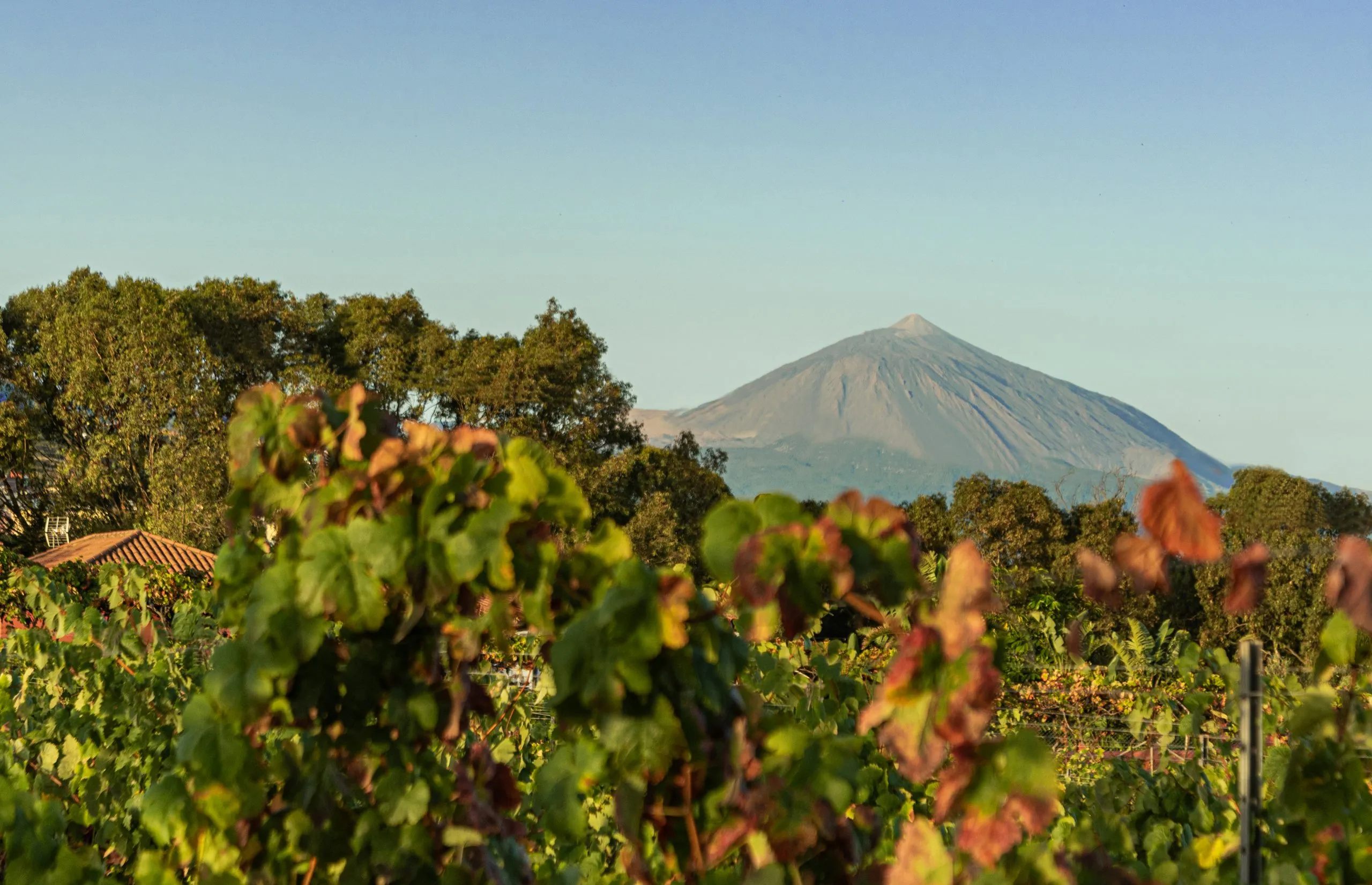
Five appellations, a 3,718-metre volcano and vines from sea level to 1,700 metres. A valley-by-valley guide to Tenerife wine and the producers worth knowing.
Volcanic Malvasía: what it is and how it tastes
A Canary-born cross of Malvasía Aromática and Marmajuelo, found nowhere else on earth. What Volcanic Malvasía is, how it tastes, and how it went from Shakespeare's wine to dry.